Insights
How a Product Video Can Affect Patent Protection
Why can a product video posted by someone else still become an issue in a patent dispute? A spacer bar bending machine case explains the limits of confidentiality and the novelty grace period in China.
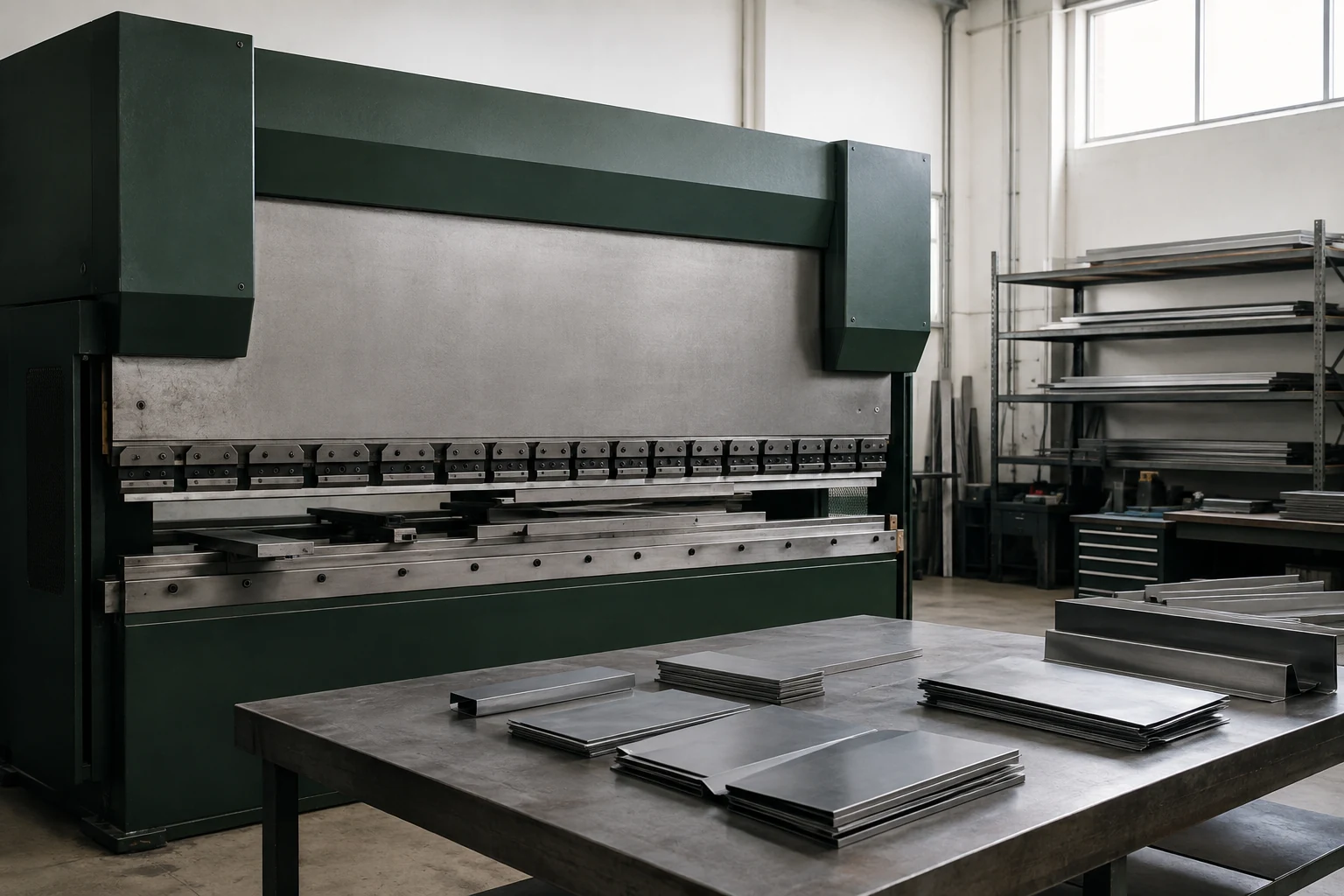
Before showcasing a new product, understand the boundary between disclosure and confidentiality.
Once a new machine has been tested and commissioned, customer visits, live demonstrations and short videos often follow. For a manufacturer, this footage showcases the product's capabilities. In a patent dispute, the same video may become evidence that the technology was already public. The fact that someone else uploaded it does not, by itself, make the disclosure unauthorized.
The case concerning “A Spacer Bar Bending Machine with Laser Marking Function,” Case No. 5W134058, illustrates this boundary. It appears in the *Compilation of Key Decision Points in Representative Patent Reexamination and Invalidation Cases (2025)*.
The Evidence Behind the Video
According to the compilation, another person published the video on a public platform. The applicant failed to establish that the content was confidential when it was filmed, or that the person filming it had an express or implied duty to keep that content confidential. The footage also showed the applicant's staff cooperating with the filming.
Against this factual background, the decision point was clear: the evidence was insufficient to establish that the video amounted to disclosure by another person without the applicant's consent.
The issue was whether the disclosure fell within a statutory exception. Ownership of the publishing account identifies who uploaded the information. Establishing an absence of consent requires a broader examination: whether the technology was to remain confidential, whether the other person knew of and owed a duty of confidentiality, and what the conduct at the scene indicated about the applicant's willingness to disclose it.
The Six-Month Grace Period Has Defined Limits
Under China's Patent Law, technology known to the public in China or abroad before the filing date forms part of the prior art. Article 24 provides exceptions for certain disclosures occurring within the six months before filing, including disclosure by another person without the applicant's consent. These exceptions are conditional. They do not give every business a general six-month window to file after promoting a product. Legal basis: Articles 22 and 24 of the Patent Law.
The compilation identifies two conditions: the disclosed information must originate directly or indirectly from the applicant, but the person disclosing it must not be the applicant; and the disclosure must be contrary to the applicant's wishes, for example by breaching an express or implied confidentiality requirement. In the bending machine case, confidentiality and the duty to preserve it were not established. The staff's cooperation with filming was also an important fact in assessing the applicant's willingness to disclose.
This does not mean that a patent becomes invalid whenever an employee appears on camera. Whether a particular video affects a patent also depends on when it became public, whether the public could obtain the information, and what technical content it actually disclosed. That content must then be compared with the claims at issue.
Put Innovation and Publicity on the Same Timeline
The case shows the need for traceable connections between development records, patent filings and marketing communications.
The first consideration is technical content. Showing a machine's exterior differs from revealing its internal structure; demonstrating its performance differs from explaining process parameters. Clearly identifying the technology for which protection is sought makes it possible to assess which images reveal core details and whether subsequent improvements extend beyond the content of an existing application.
The second is the boundary of access. Confidentiality agreements, communications about visits, agreed filming limits and records of on-site arrangements can collectively establish what was restricted, who knew about those restrictions, and whether permission to film also included permission to publish. An explanation given by the business after the event is often a poor substitute for records created at the time.
The third is evidence of timing. Original footage, version histories, correspondence and the timestamps of public pages help reconstruct how technology moved from internal access to public availability. Evidence also matters when invoking a statutory exception. Article 33 of the Implementing Regulations provides for supporting documents to be submitted within a specified period when required. Rule source: Implementing Regulations of the Patent Law.
Connect Product Promotion with Patent Protection
Products need visibility to reach the market. Building a stable foundation for patent rights requires coordination between the technology, filing dates and plans for public disclosure. Part of that work takes place before the camera starts recording: identify what will be shown, make clear what must remain confidential, and preserve an accurate record of what actually happened.
Source: Reexamination and Invalidation Department, *Compilation of Key Decision Points in Representative Patent Reexamination and Invalidation Cases (2025)* (《专利复审无效典型案件决定要点汇编(2025)》), August 2026, Item 23, printed page 10 (PDF page 14); Case No. 5W134058, “A Spacer Bar Bending Machine with Laser Marking Function” (一种带激光打标功能的间隔条折弯机).